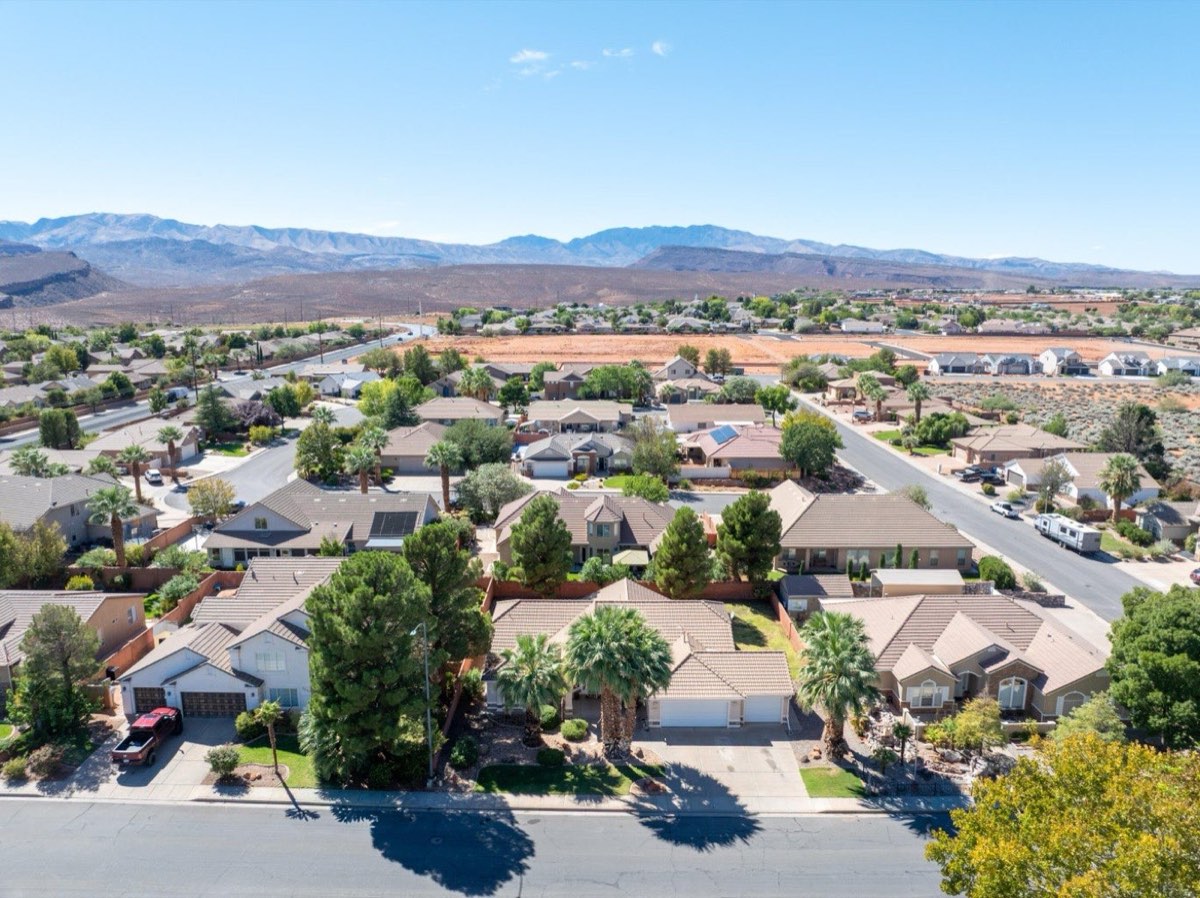
Selling a parent's or loved one's home is part paperwork, part logistics and part emotion. Here's a plain-English roadmap for selling an inherited or estate home in St. George and Washington County, from the first weeks after a loss to closing day, and where a local REALTOR® fits in.
First steps in the first few weeks
- Lock up the home, change the locks or codes if keys are unaccounted for, and remove valuables and important papers
- Call the homeowner's insurance company: many policies change or limit coverage when a home is vacant
- Keep the power, water and gas on, and set the thermostat to protect the home from summer heat
- Forward the mail, and keep paying the mortgage (if any), HOA dues, property taxes and utilities
- Gather the deed, any trust documents, the will and recent tax and HOA statements for the attorney
Who has the authority to sell?
Before a home can be listed, someone needs the legal authority to sign. Depending on how the home was owned, that may be a personal representative (executor) appointed through probate, a successor trustee if the home was held in a living trust, or a surviving owner on the title.
Every estate is different, so confirm who can sign with a Utah estate or probate attorney before you sign a listing agreement or accept an offer. The title company will also need to see that authority before closing.
When there's still a mortgage or reverse mortgage
A mortgage doesn't disappear when the owner passes away. The loan is typically paid off from the sale at closing, and in the meantime someone should keep payments current and let the lender know about the death. If the home has a reverse mortgage, the loan usually comes due, and the lender will set a timeline for selling or paying it off, so contact them early.
Working together as a family
When several heirs share a home, agree early on who will make day-to-day decisions and how everyone will be kept informed. Some families buy out one sibling who wants to keep the home; others sell and split the proceeds. A simple shared update, with photos, offers and costs, helps prevent misunderstandings, and Danielle can send the same updates to every heir and the estate's attorney.
Estate sales and cleanouts
Most families need to clear the home before it sells. An estate sale company can price and sell furniture, tools, collectibles and household items, usually for a share of the proceeds, and a cleanout crew handles what's left. Set aside keepsakes, photos and important papers first.
- Walk the home together and mark anything family members want to keep
- Secure documents, jewelry, firearms and medications
- Get quotes from two or three estate sale companies and ask how they're paid
- Hold the estate sale before listing photos are taken
- Donate usable items that don't sell, and book a cleanout and a deep clean after the sale
Sell as-is or fix it up?
Many estate homes have some deferred maintenance. Some sell best as-is to buyers who want a project; others bring more after paint, flooring, landscaping and a deep clean.
Danielle will walk the home, show you comparable listings and recent market activity, and put both options on a net sheet so the family can decide with real numbers instead of guesses. A pre-listing inspection can also help you decide what's worth fixing and avoid surprises once you're under contract.
Disclosures when you never lived there
Utah sellers normally complete a seller property condition disclosure, but heirs and personal representatives often have little first-hand knowledge of the home. You still need to share what you know. Danielle will explain the disclosure forms and how an estate can answer honestly when it lacks personal knowledge.
Pricing and timing
A vacant home still costs money every month: utilities, insurance, HOA dues, property taxes and yard care. Pricing it right from the start usually means fewer months of those costs, and in Washington County, listings averaged roughly 55 to 85 days on market over the year to October 2026 depending on the city.
Check that the homeowner's insurance covers a vacant home, and keep the utilities on for showings, inspections and the appraisal.
A typical timeline
- Weeks 1 to 4: secure the home, gather documents and talk with an attorney about authority to sell
- Weeks 4 to 8: clear the home with an estate sale and cleanout, and decide on any repairs
- Weeks 6 to 10: list the home with professional photos and marketing
- About 30 to 45 days after accepting an offer: close, once inspections, appraisal and financing are complete
Costs to expect
- Carrying costs while the home sits: utilities, insurance, HOA dues, property taxes and yard care
- Estate sale and cleanout: estate sale companies usually take a share of sales; cleanouts are priced by the job
- Repairs and cleaning: only what the net sheet shows is worth it
- Selling costs: the listing fee, title and escrow fees, and any seller-paid concessions
- Professional fees: attorney and CPA fees for the estate, paid separately from the sale
Taxes and legal questions
Inherited property can be taxed differently than a home you bought, including how its cost basis is figured. Talk with a CPA or tax advisor before you sell, and with an attorney about probate, title and dividing the proceeds among heirs.
Danielle isn't an attorney or tax advisor, but she works alongside both to keep the sale on schedule.
How Danielle helps
- A walkthrough and market analysis, with as-is and fixed-up net sheets
- Help coordinating estate sale companies, cleanout crews and contractors
- Local eyes and keys for family members who live out of state
- Marketing to local, out-of-state and investor buyers
- Clear updates for every heir and the estate's attorney
- The Utah contract, disclosures and deadlines handled through closing
Frequently Asked Questions
Can you sell a house during probate in Utah?
Yes, in many cases. A personal representative appointed through probate can usually sell the home, but the steps and any court involvement depend on the estate, so confirm the details with a Utah probate attorney.
What is the difference between an estate sale and selling the house?
An estate sale sells the belongings inside the home, usually run by an estate sale company over a weekend. Selling the house itself is a separate real estate transaction handled by a REALTOR®, and most families hold the estate sale first, then list the home.
Do I have to fix up an inherited house before selling it?
No. You can sell an inherited home as-is, and some buyers prefer a project. A net sheet comparing as-is and fixed-up prices shows which option leaves more for the estate.
Can I sell an inherited home in St. George if I live out of state?
Yes. Danielle can handle access, vendors, showings and inspections locally, and many closing documents can be signed remotely or by mail, depending on the title company.
What happens to the mortgage when someone dies?
The mortgage stays in place and is usually paid off from the sale at closing. Keep payments current and notify the lender; with a reverse mortgage, contact the lender early, since the loan typically comes due.