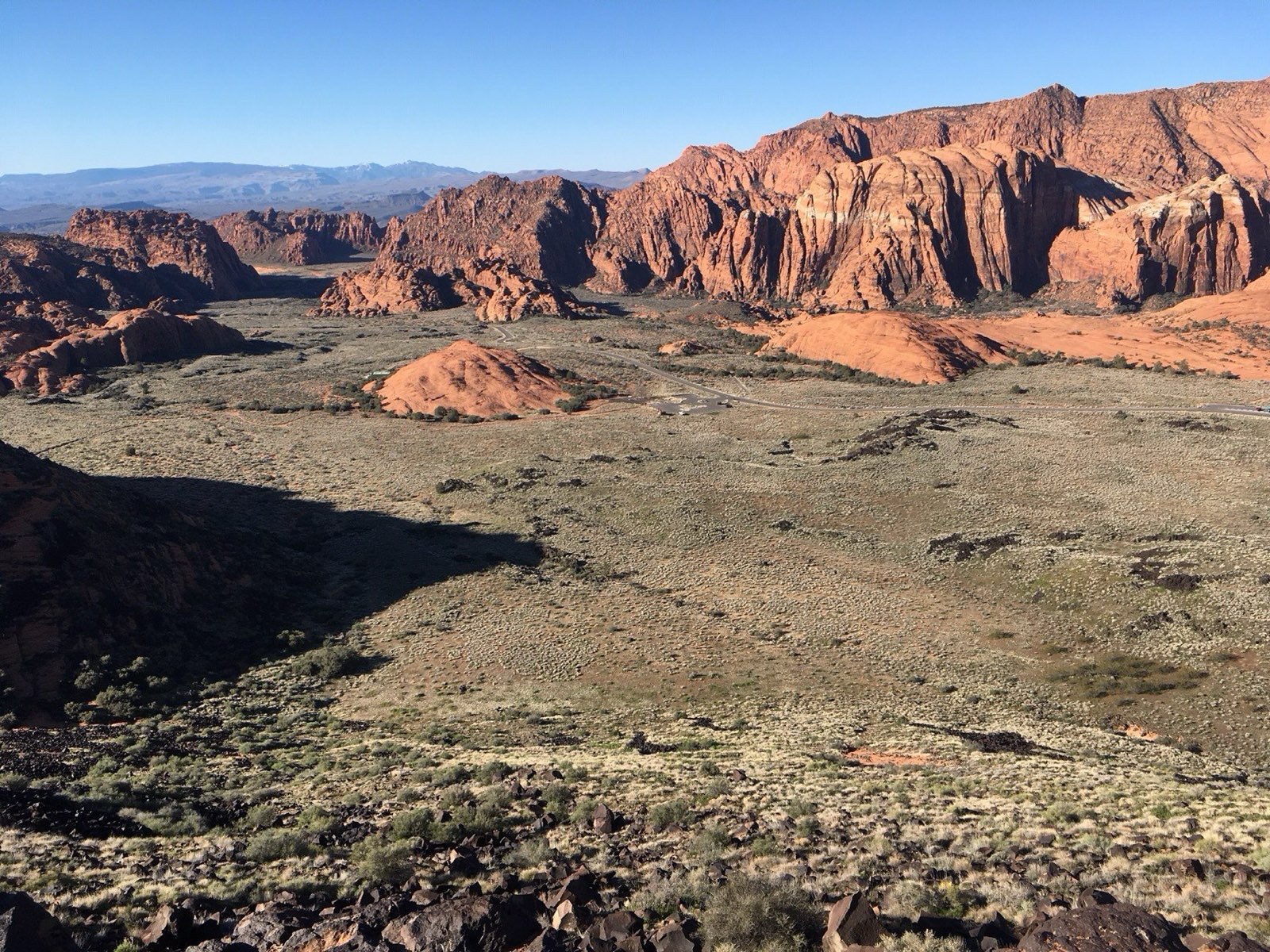
St. George has become one of the most popular places in the West to relocate, especially for people coming from California, Nevada, Arizona and northern Utah. Here's an honest look at what life is like, what it costs, where people live and how to make the move smoothly.
The pros
- Mild winters and sunshine most of the year
- World-class scenery: Snow Canyon, Zion and Sand Hollow are close by
- Golf, pickleball, hiking and biking year-round
- St. George Regional Hospital (Intermountain Health) and Utah Tech University
- Newer homes and master-planned communities to choose from
- An airport with direct flights, plus Las Vegas about two hours away
The cons
- Summer heat: July and August highs regularly top 100°F
- Home prices have risen with the area's popularity
- Growth means more traffic and construction than in years past
- Water is precious here, so desert landscaping is the norm
- Some specialized services and major-league events mean a trip to Las Vegas or Salt Lake City
Climate: what to expect month by month
St. George sits at roughly 2,800 feet in the Mojave Desert. Winters are mild, with daytime highs often in the 50s and 60s and occasional frosty nights. Spring and fall are the favorite seasons, warm and dry with long outdoor days. Summers are hot, with highs regularly above 100°F in July and August and a monsoon season that can bring short, dramatic storms. Most residents shift outdoor activities to early mornings and evenings in summer, and many snowbirds spend those months elsewhere.
If you're coming from a cooler or more humid place, visit in July or August before you commit. Covered patios, shade trees, good insulation and an efficient air-conditioning system matter more here than in most markets.
Cost of living and home prices
Housing is the biggest cost. As of October 2026, median list prices for active homes ranged from about $517,000 in SunRiver and $550,000 in St. George to $875,000 in Ivins and about $1.37 million in Entrada. Washington ($559,000) and Hurricane ($595,000) offered lots of new construction near the St. George median. Everyday costs like groceries and gas are moderate, and Utah has a flat state income tax.
| Area | Median list price | Active listings | Avg days on market |
|---|---|---|---|
| St. George | $550,000 | 875 | 67 |
| Entrada | $1,369,500 | 36 | — |
| Desert Color | $575,737 | 73 | — |
| SunRiver | $516,575 | 22 | 55 |
| Santa Clara | $719,900 | 71 | 60 |
| Washington | $559,000 | 479 | 61 |
| Ivins | $875,000 | 137 | 63 |
| Hurricane | $594,999 | 425 | 83 |
| Sand Hollow | $779,000 | 39 | — |
Active residential listings, October 2026. Source: MLS via Flexmls; deemed reliable but not guaranteed. Days on market is a 12-month average where available.
Property taxes and HOA dues
Utah property taxes are generally moderate compared with many western states, and Utah gives primary residences a significant break: a home you live in as your primary residence is taxed on 55% of its market value, while second homes and rentals are taxed on the full value. After you buy, make sure the county knows the home is your primary residence so you get the exemption.
Most newer homes also have an HOA. On November 10, 2026, the median monthly dues among active listings that reported an HOA ranged from about $115 in Ivins to about $209 in St. George and $389 in Entrada, and many older homes have no HOA at all. Ask what the dues include: some cover only common areas, others cover yard care, exteriors, insurance or amenities.
Where people live
Most relocating buyers start by choosing a lifestyle. St. George has the most choice and the shortest drives to the hospital, airport and shopping. Washington and Hurricane have the most new construction. Entrada and Ivins are popular for luxury and golf, SunRiver for 55+ living, Santa Clara for a small-town feel, and Desert Color and Sand Hollow for resort amenities and nightly-rental options. Our neighborhood guide compares them side by side.
Best neighborhoods in St. George →
Healthcare, travel and getting around
St. George Regional Hospital, part of Intermountain Health, is the region's main hospital, and medical offices and urgent-care clinics are spread across the area. St. George Regional Airport (SGU), on the south side of town, has direct flights to major hubs, and Harry Reid International in Las Vegas is about two hours away on I-15. Salt Lake City is about four hours north.
Most people drive. I-15 runs through St. George and Washington, and the Southern Parkway connects the airport and the south side to Hurricane. Typical drives are short: central St. George to Washington or Santa Clara is about 10 to 15 minutes, and Hurricane is about 25 minutes. A local bus system serves St. George, and a paved trail network makes biking practical for many trips.
Water and landscaping
Southern Utah is a desert, and water conservation is part of life. Desert landscaping with rock, drip irrigation and native plants is the norm, and many newer communities limit grass. Expect lower water bills with desert landscaping, and ask about any HOA rules on what you can plant before you buy.
Setting up utilities
Utility providers depend on where you live. The City of St. George provides electricity and water to most homes inside city limits, and Washington, Hurricane, Santa Clara and Ivins run their own city utilities or work with regional providers. Natural gas, internet and trash service vary by address. Danielle can give you a list for your new home once you're under contract.
Your relocation timeline
- 3 to 6 months out: visit, ideally once in summer, and tour a few different areas
- 2 to 4 months out: get pre-approved with a lender who knows the local market and set your monthly budget, including HOA dues and taxes
- 1 to 3 months out: make offers; Danielle can preview homes for you and send video tours
- Under contract: schedule inspections, review HOA documents, and line up movers and utilities
- After you move: apply for the primary residence property tax exemption, and update your driver license and vehicle registration with the state
Should you rent first?
Renting for a few months can help if you're torn between areas, but rentals can be limited and nightly rentals are restricted in most neighborhoods. Many buyers find that a couple of focused visits, plus video tours, is enough to choose confidently. Danielle can help you decide based on your timeline.
Frequently Asked Questions
Is it expensive to live in St. George, Utah?
Housing is the main cost. As of October 2026 the median list price in St. George was about $550,000. That's below many California markets but higher than St. George was a few years ago. Everyday costs are moderate, and Utah has a flat state income tax.
How hot does St. George get in the summer?
Very hot. July and August highs regularly exceed 100°F, while winters are mild with daytime highs often in the 50s and 60s.
Are property taxes high in St. George?
They're generally moderate. Utah taxes a primary residence on 55% of its market value, while second homes and rentals are taxed on full value, so apply for the primary residence exemption after you buy.
How far is St. George from Las Vegas and Zion?
Las Vegas is about two hours southwest on I-15, and Zion National Park's south entrance is about 45 minutes to an hour from St. George.
Can I buy a home in St. George without visiting first?
Yes. Danielle offers video tours and detailed recaps for out-of-state buyers, though most buyers like to visit at least once before closing.